Electric Performance
Instant Torque: Why an EV Wins the First 30 Metres
An electric motor makes peak torque from zero rpm, so there is no waiting for a power band. The traction limit still applies, which is why the advantage is measured in metres.
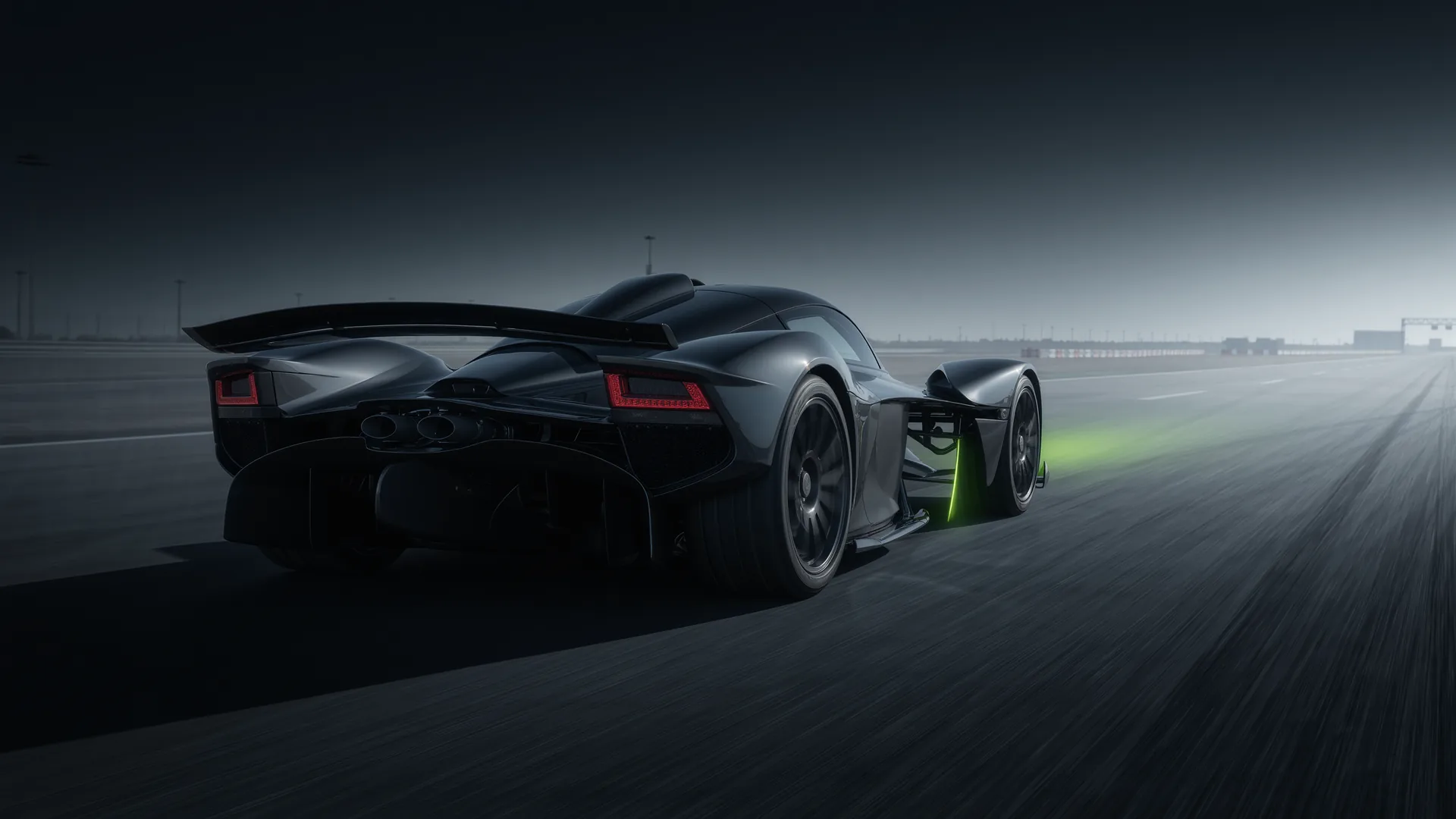
An electric motor produces close to maximum torque from zero rpm, so an electric car applies its full available force at the instant the pedal moves. A combustion engine has to reach a speed where it makes useful torque, and then keep the transmission connected while it does. The advantage is real and it is bounded: the tyres still set the ceiling, so what an EV wins is the first few tenths and the first few metres, not the whole run.
Two very different torque curves
| Road speed | Electric motor | Combustion engine, correct gear | Combustion, wrong gear |
|---|---|---|---|
| 0 km/h | Full torque immediately | Clutch slipping, partial | Nothing useful |
| 20 km/h | Full torque | Approaching full | Well below |
| 60 km/h | Full torque or near it | Full, if in the right ratio | Well below |
| 120 km/h | Past base speed, torque falling | Full, after a shift | Below |
| 200 km/h | Field weakening, torque low | Full, in a taller ratio | Below |
An electric motor holds constant torque up to its base speed, the point where its voltage limit is reached, and above that it enters field weakening: torque falls while power stays roughly flat, then falls too. A combustion engine is the reverse shape, weak low down and strong at the top, which is exactly what a gearbox exists to correct.
Why the advantage is bounded
Having torque available is not the same as being able to use it. Below roughly 100 km/h a car is limited by the friction the tyres can transmit, and for an all wheel drive car maximum acceleration is μg regardless of how much torque is on offer. On a good road tyre with a coefficient of 1.15 that is 11.28 m/s², which is a 0 to 100 km/h time of 2.46 s, and it applies identically to an electric car and a combustion one.
So what the instant torque actually buys is reaching that ceiling immediately rather than after a delay. The combustion car spends the first fraction of a second building boost, engaging a clutch and finding its power band. The electric car is at the traction limit from the first millisecond. Over a 0 to 100 km/h run that is worth a few tenths, and over the first 30 m it is worth a car length.
The second advantage: control resolution
Peak longitudinal grip occurs at roughly 10 to 20 per cent slip, so the ideal launch holds a controlled amount of wheelspin rather than none. Doing that requires adjusting torque faster than the tyre can lose grip.
A combustion engine adjusts torque by cutting ignition or fuel, which acts in under 20 ms but is coarse and comes with thermal consequences for the exhaust. An electric motor adjusts torque by changing current, which is faster, finer and free of side effects. A dual motor car can do it per axle independently, and a four motor car per wheel. That is why electric launches are so repeatable, and repeatability rather than peak is where the advantage compounds.
What a verified record set shows
Rimac's Nevera recorded a 0 to 60 mph time of 1.74 s as part of a set of 23 performance records in a single day at a German proving ground, independently verified by two measurement specialists. The important part of that claim is the second half. Setting 23 records in one day demonstrates that the car can produce those figures repeatedly, which is precisely the question a single quoted acceleration time cannot answer.
Where it stops helping
Above the traction limit the comparison reverses. The electric car is past its base speed with torque falling, while the combustion car is in its power band with a gearbox to keep it there. Add the battery mass, typically 500 to 800 kg on a performance EV, and a rolling acceleration run from 100 to 200 km/h looks very different from a standing start. The instant torque advantage is a low speed phenomenon, and honest comparisons quote both.
Questions readers ask
Why do electric cars accelerate so quickly from a standstill?
Because an electric motor produces close to maximum torque from zero rpm, so full force is available the instant the pedal moves. A combustion engine has to build boost, engage a clutch and reach a useful part of its power band first.
Does instant torque mean unlimited acceleration?
No. Below about 100 km/h the tyres set the ceiling at μg, which is 11.28 m/s² on a good road tyre with an all wheel drive layout, or 2.46 s to 100 km/h. That limit applies to electric and combustion cars identically.
What is field weakening?
The region above a motor's base speed where the voltage limit has been reached and torque must be reduced to keep increasing speed. Power stays roughly flat at first and then falls, which is why electric acceleration tails off at higher speeds.
Why are electric launches so consistent?
Because torque is adjusted by changing current, which is faster and finer than cutting ignition or fuel and has no thermal side effects. Dual motor cars control each axle independently, so the system can hold the 10 to 20 per cent slip where grip peaks.
Where does the advantage end?
Above the traction limit, roughly 100 km/h. From there the motor is in field weakening with falling torque while a combustion car is in its power band with a gearbox to keep it there, and the battery mass of 500 to 800 kg becomes a straight penalty.
Sources
- Rimac Nevera sets 23 performance records in a single day, on the 1.74 s 0 to 60 mph figure and the independent verification of the full set.
- Vehicle Physics Pro, tyre model documentation, on the slip ratio curve and where peak longitudinal grip occurs.
- UNECE Regulation No. 85, on net power measurement for electric drivetrains as well as combustion engines.
Traction limit figures use a = μg with a friction coefficient of 1.15 for an all wheel drive layout and no aerodynamic downforce.