
Top Speed
Thin Air: How Altitude and Heat Move Top Speed
Altitude does two things at once and they nearly cancel. Thin air reduces aerodynamic drag, which raises top speed, and it reduces the...
Section 02
Drag, gearing, tyres and rules. What it takes to add the next 10 km/h.
Altitude does two things at once and they nearly cancel. Thin air reduces aerodynamic drag, which raises top speed, and it reduces the...
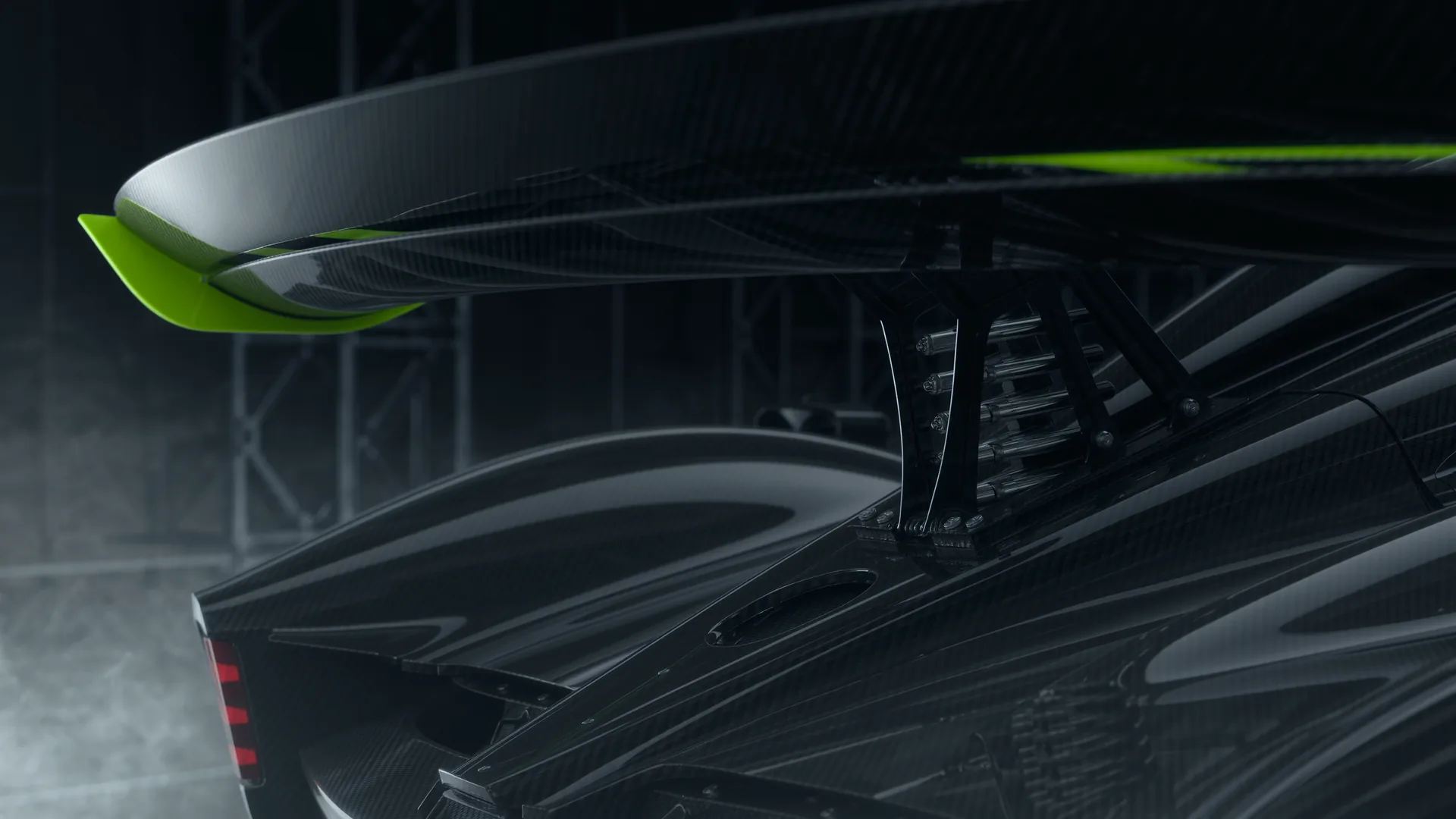
Downforce and low drag are in direct conflict, because vertical load is produced by deflecting air downward and every deflection costs...

Aerodynamic drag force grows with the square of speed, and because power is force multiplied by velocity, the power needed to overcome it...

The 250 km/h, 155 mph ceiling on so many German cars is neither a regulation nor a mechanical limit. It is an informal agreement adopted by...
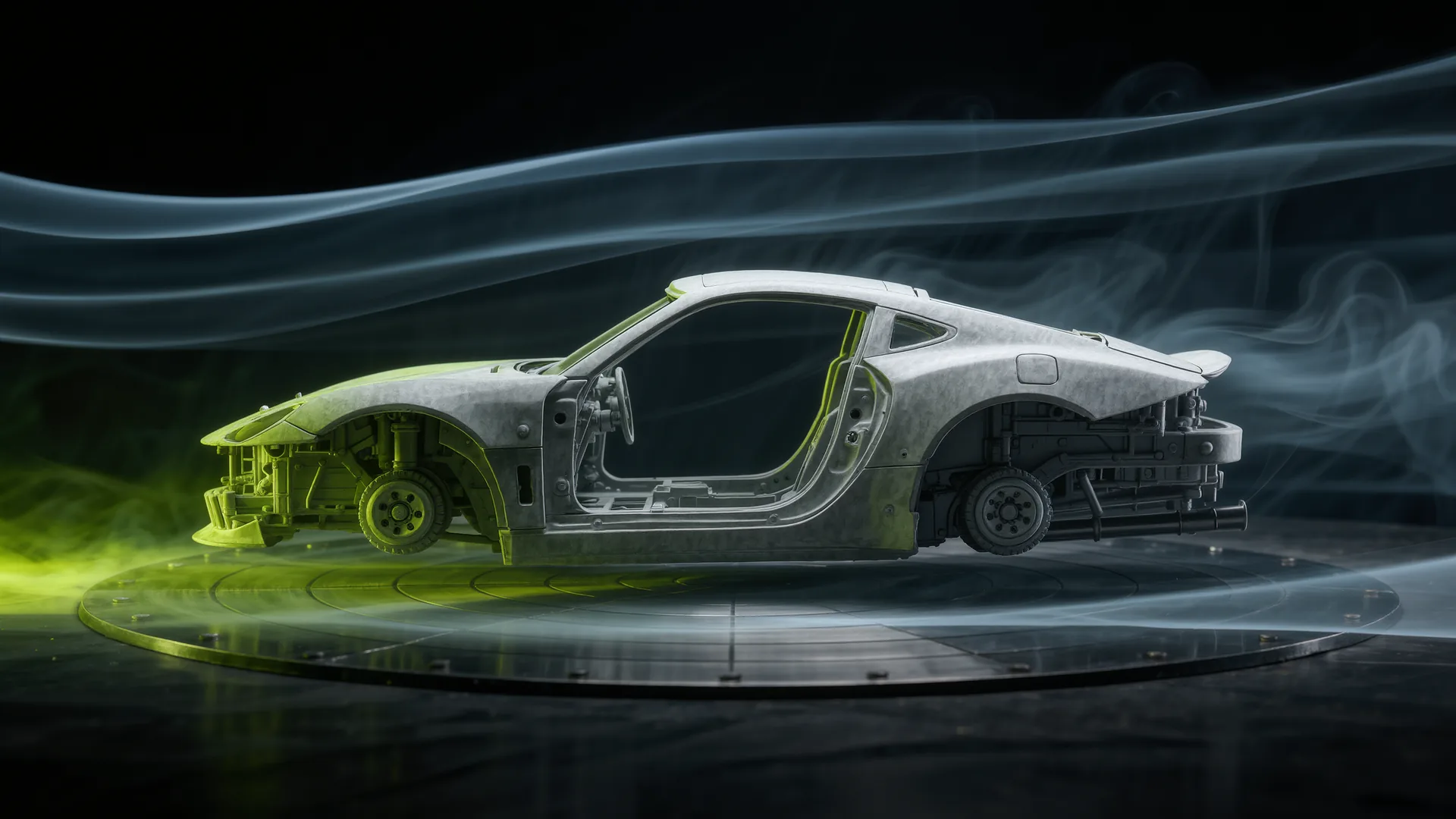
The drag coefficient is a shape efficiency figure, not a drag figure. What appears in the physics is C d A, the coefficient multiplied by...
There are two entirely different ways for a car to stop accelerating. Drag limited means the engine can no longer supply the power that...
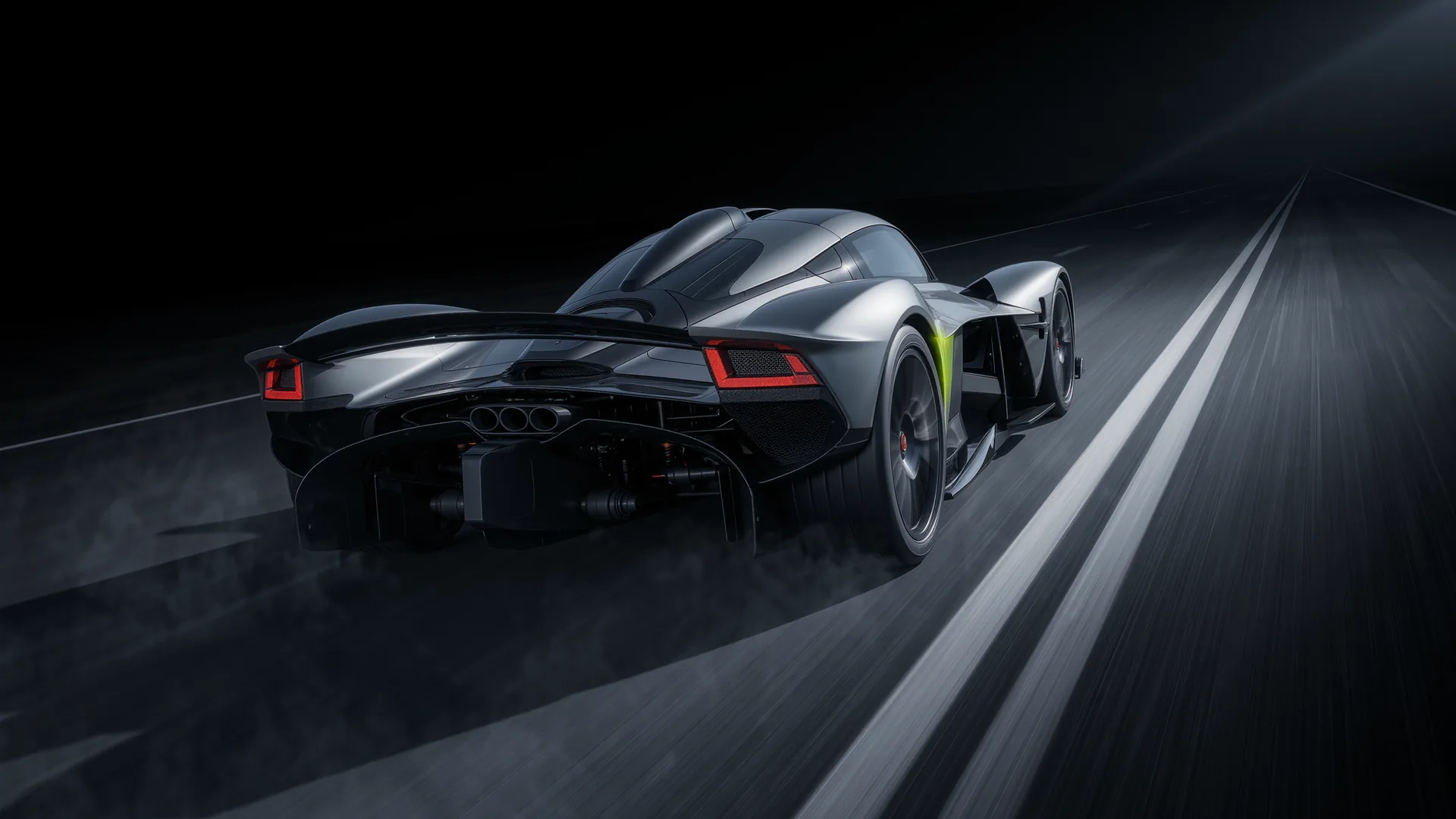
The step from 250 mph to 300 mph is a 20 per cent speed increase that demands 73 per cent more power, because drag power scales with the...

A maximum speed run needs three things that almost no road has: enough distance to reach the speed, a measured section at the top of it,...
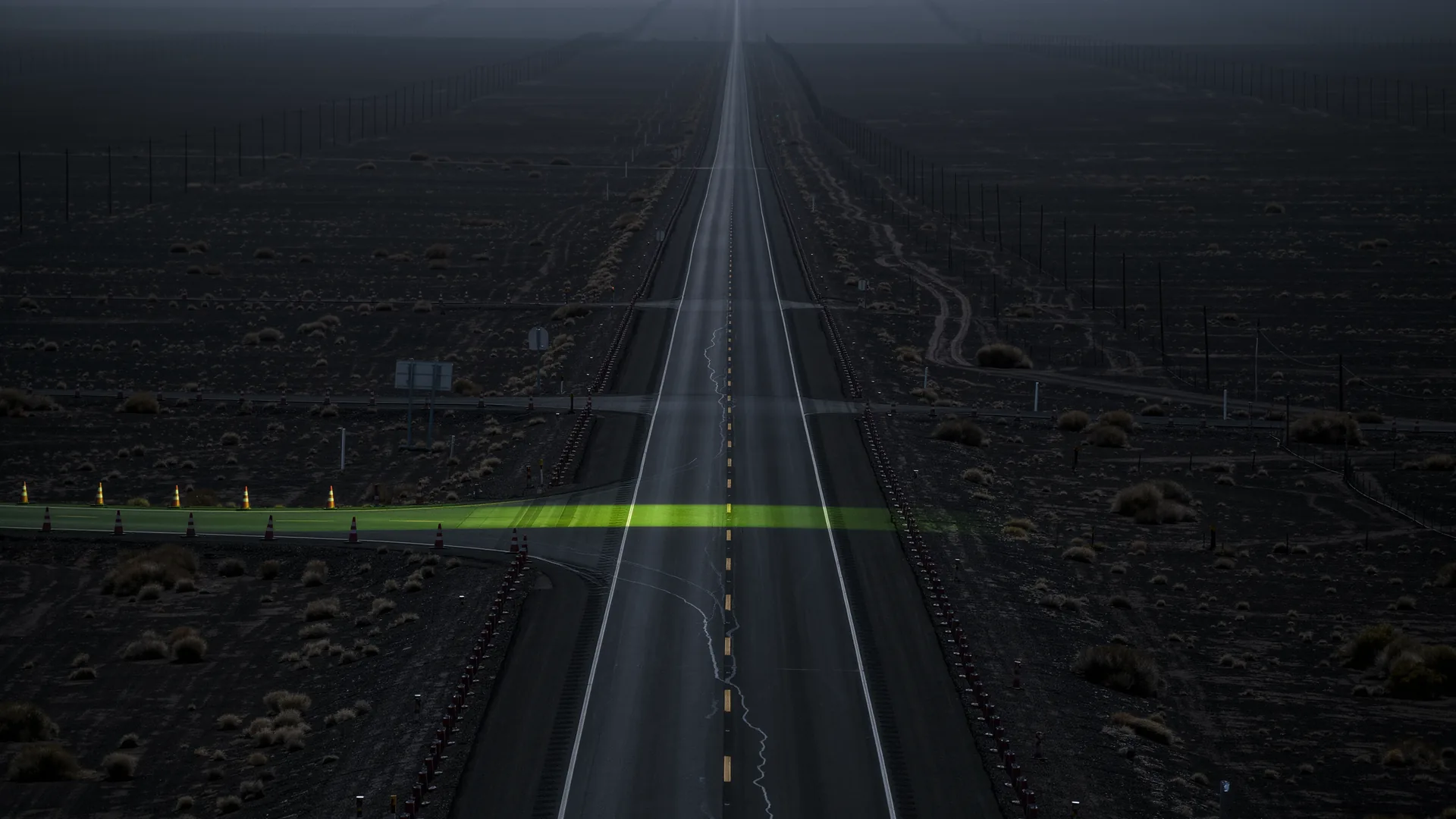
A top speed record is the average of two runs in opposite directions, because a single pass measures the wind and the road gradient as much...
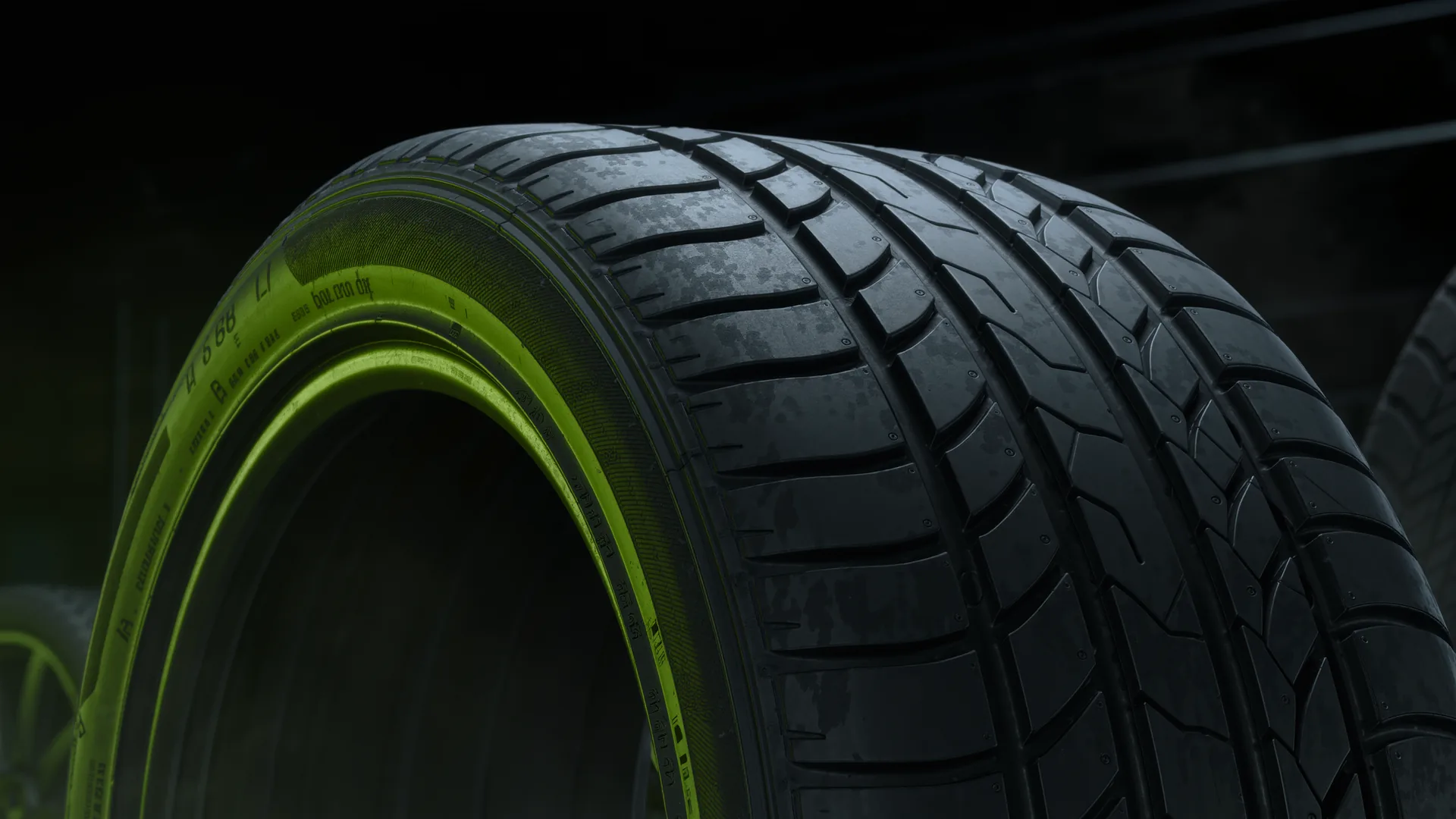
The letter at the end of a tyre size is a certified maximum sustained speed at the tyre's rated load. H is 210 km/h, V is 240, W is 270 and...