Power and Weight
Torque vs Power: Which One Actually Accelerates the Car
Power accelerates the car. Torque only tells you what a gear can do with it. Because gearing multiplies torque and cannot create power, the argument has a definite answer.
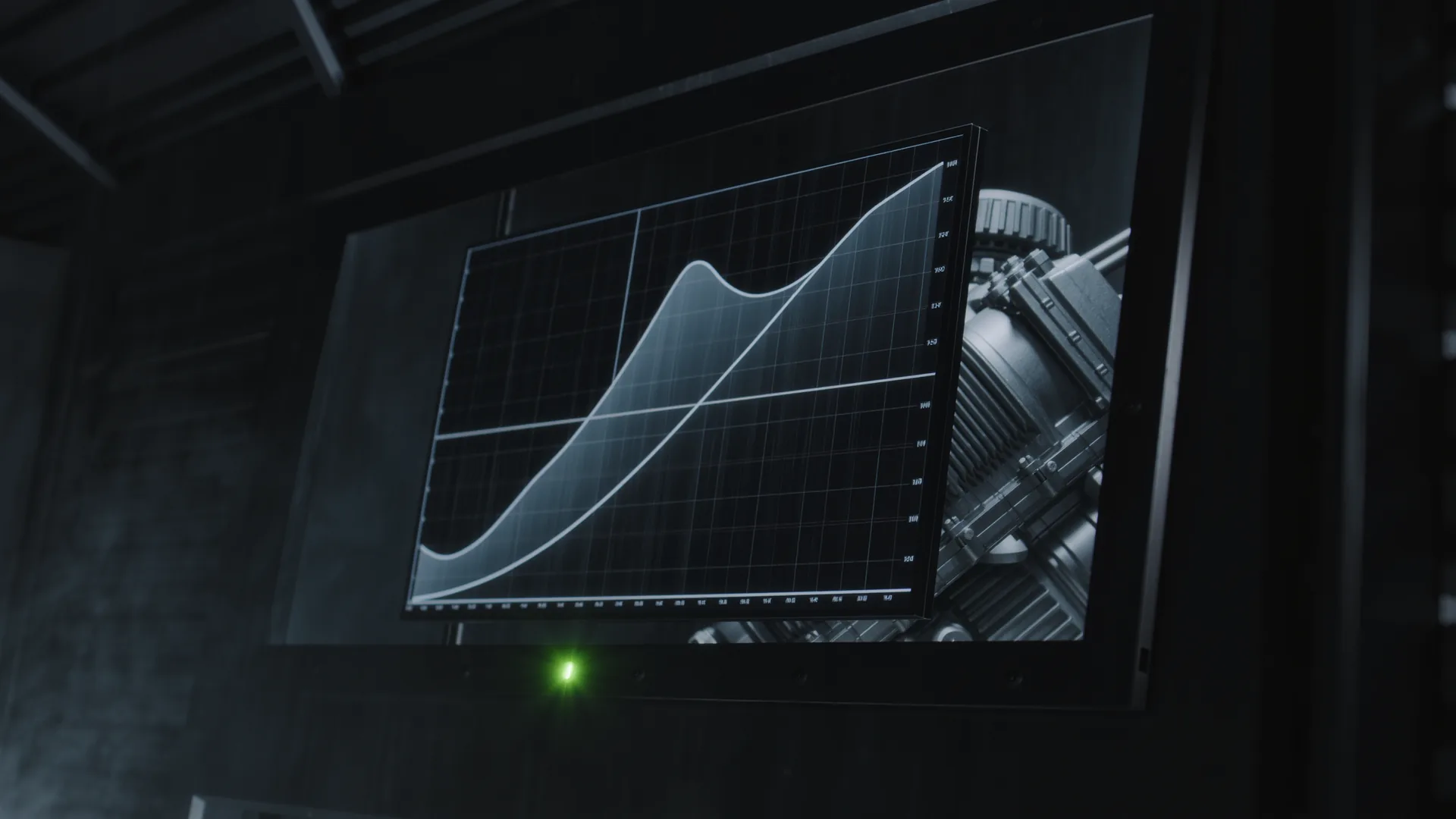
The question has a settled answer that the argument keeps ignoring. Power accelerates the car, because power is the rate at which energy is delivered and acceleration is a change in kinetic energy. Torque at the crankshaft accelerates nothing on its own, because a gearbox multiplies torque freely and cannot create power. The reason torque feels decisive is real, and it is about where in the rev range the power arrives rather than about torque itself.
The relationship, and why it settles the argument
Power is torque multiplied by angular velocity: P = T × ω. A gearbox trades one for the other, multiplying torque by the ratio and dividing rotational speed by the same ratio, and the product stays constant apart from friction. That is the whole argument in one sentence: a gear ratio changes torque and cannot change power.
So if you want to know what force reaches the road, you need the torque at the wheels, which is engine torque multiplied by the overall gear ratio. And since you can always choose a lower gear to multiply torque further, what actually limits you is the power available, because that is the quantity gearing cannot manufacture.
| Engine | Peak torque | At rpm | Peak power | At rpm |
|---|---|---|---|---|
| High revving, naturally aspirated | 400 Nm | 6,500 | 368 kW | 8,800 |
| Turbocharged, low revving | 750 Nm | 2,200 | 368 kW | 4,700 |
These two engines produce identical peak power. Geared appropriately, they will accelerate an identical car at an identical rate at any given road speed, and the high revving engine will simply be using a shorter ratio to do it. What differs is everything about how that feels and how often you have to change gear.
Why torque feels decisive anyway
The perception is not an illusion, it is a description of the area under the power curve rather than its peak. A turbocharged engine making 750 Nm from 2,200 rpm is making substantial power from very low in the range, so in any given gear it delivers more at the engine speeds you actually use. The naturally aspirated engine has the same peak and much less below 5,000 rpm.
- In a fixed gear, the torquey engine is genuinely faster, because it has more power at that engine speed. This is real, and it is what everyday driving samples.
- Given the right gear, they are identical, because power is what matters and gearing is free. This is what a properly geared acceleration test samples.
- The torquey engine needs fewer gearshifts, and each shift costs 20 to 100 ms in a dual clutch gearbox and 300 to 500 ms in a manual, so in practice it recovers some real time.
- The high revving engine spends more of the run near peak power if the ratios are close enough, which is why racing gearboxes have many closely spaced gears.
The 5,252 rpm crossing point
In imperial units, horsepower equals torque in pound-feet multiplied by rpm divided by 5,252. That constant is 33,000 divided by 2π, and it produces a curiosity that confuses people the first time they see it: on any dynamometer plot with horsepower and pound-feet on the same axis, the two curves always cross at exactly 5,252 rpm.
It is an artefact of the units and means nothing physical. In metric units the crossing happens at 9,549 rpm for kW against Nm, and nobody has ever attributed significance to that. If a specification sheet or a tuning claim treats 5,252 as meaningful, it is a sign the author does not know where the number comes from.
Where electric cars fit
An electric motor produces close to maximum torque from zero rpm, which is why an EV feels so decisive from rest, and its power still rises with speed because power is torque multiplied by angular velocity. Above the point where the motor enters field weakening, torque falls and power flattens, and from there the electric car obeys exactly the same rules as everything else. The instant torque advantage is a low speed phenomenon, and it is the reason EV acceleration figures look better from rest than from 100 km/h.
Questions readers ask
Does torque or horsepower matter more for acceleration?
Power. Acceleration is a change in kinetic energy and power is the rate at which energy can be delivered. A gearbox multiplies torque freely and cannot create power, so power is the quantity that actually limits what a car can do.
Why do torquey engines feel faster then?
Because in a fixed gear they are faster: making a lot of torque at low rpm means making a lot of power at the engine speeds ordinary driving uses. They also need fewer gearshifts, and each shift costs 20 to 100 ms in a dual clutch gearbox or 300 to 500 ms in a manual.
What is significant about 5,252 rpm?
Nothing physical. Horsepower equals torque in pound-feet times rpm divided by 5,252, so the two curves always cross there on an imperial dynamometer plot. In metric units the equivalent crossing is at 9,549 rpm and nobody treats it as meaningful.
Can gearing make up for low torque?
Entirely, at any given road speed. A shorter ratio multiplies engine torque into more wheel torque while the engine turns faster, and the product, the power, is unchanged. What gearing cannot do is create power, which is why power sets the limit.
Why do electric cars feel so strong from rest?
Because an electric motor makes close to maximum torque from zero rpm, so there is no waiting for the engine to reach a power band. Above the field weakening point torque falls and power flattens, and from there the same rules apply as to any other car.
Sources
- UNECE Regulation No. 85, on how net power and torque are measured for internal combustion engines and electric drivetrains.
- Engine power correction standards, on the reference conditions applied to the curves a dynamometer produces.
- Quarter mile elapsed time and speed formulas, on why average delivered power rather than peak torque determines an acceleration result.
The 5,252 constant is 33,000 divided by 2π, arising from the definition of one horsepower as 33,000 foot-pounds per minute. The metric equivalent is 60,000 divided by 2π, which is 9,549.